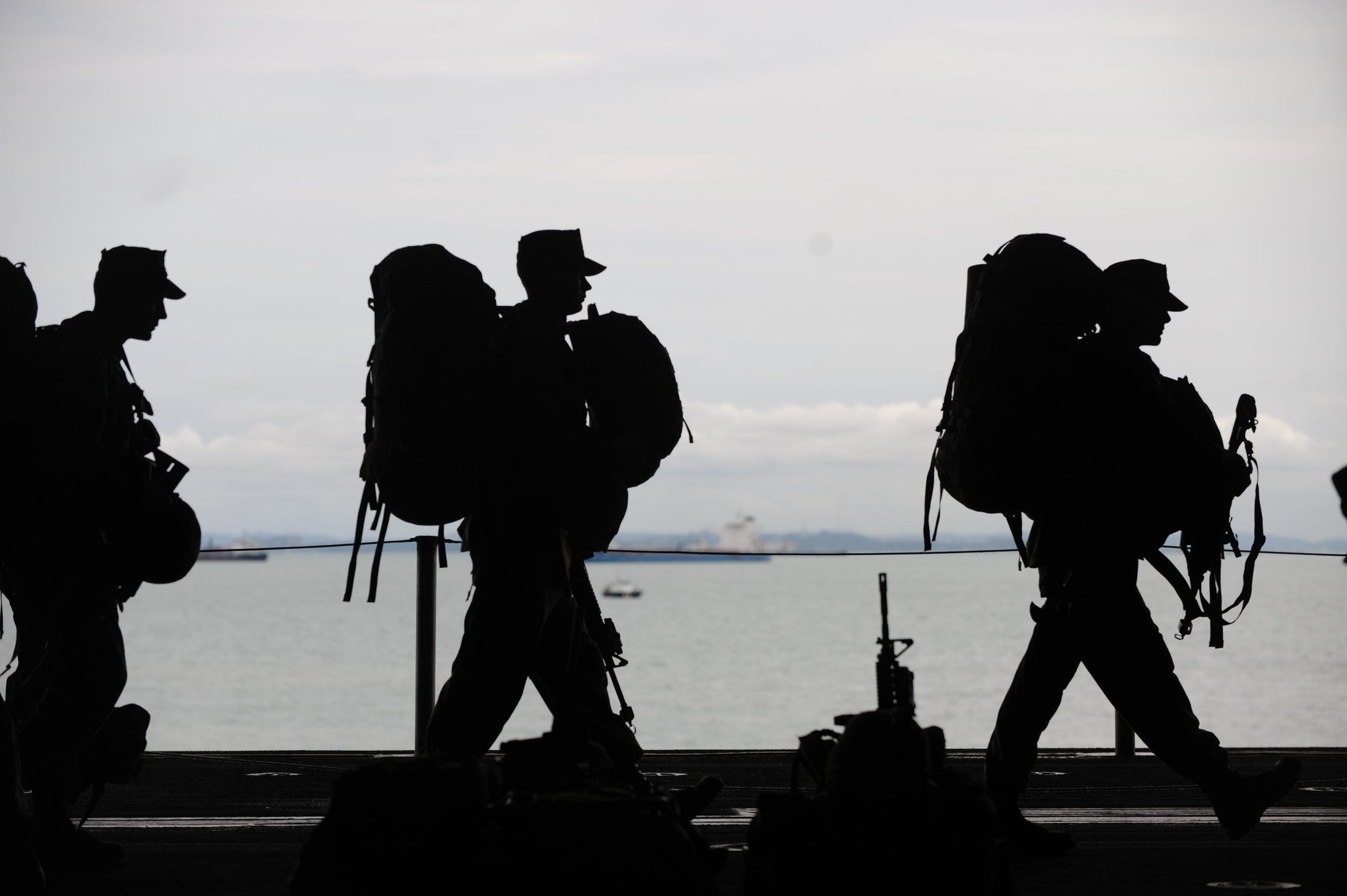
Post-Traumatic Stress Disorder (PTSD) is a mentall illness that many military and war veterans suffer from. Documentaries and movies have been produced and released on the topic, so many people have a surface understanding of the disorder.
In 2018, the US Department of Veterans Affairs released several statistics that pertained to veterans, PTSD as well as addiction. They found the following:
- 2 of 10 Veterans with PTSD also have substance use disorder
- 1 of 3 Veterans seeking treatment for substance use disorder also had PTSD
- 6 of 10 Veterans who smoke nicotine had PTSD while only 3 of 10 who did not have a PTSD diagnosis smoked
- 1 of 10 returning Iraq and Afghanistan War Veterans had a problem with alcohol or other drugs
There are several types of PTSD everyone should know about. They can affect men and women of all ages. For the event to take over a person so deeply, it has to be shocking, scary, or dangerous whether it was witnessed or experienced.
If you are suffering from a form of PTSD, help is available. Mission Harbor provides dual diagnosis services for those who are also trying to beat a co-occurring addiction.
What is PTSD?
Post traumatic stress disorder occurs after a traumatic experience. For example, it can happen after an accident or witnessing an accident. The disorder can take time to develop as well. Some medical professionals have found that it can take up to three months. In other cases, it can develop within a month or sooner. The disorder is divided into five categories that include normal stress response, acute stress, and uncomplicated as well as comorbid and complex.
After a traumatic event, most people recover on their own. Those who continue to re-live it, however, may receive a PTSD diagnosis. If you feel stressed or scared at times when you are not in danger, you may be carrying remnants of the event with you.
In the aftermath of 9/11, studies found that people across the United States were struggling with the impact of the event. The expectation was that due to the magnitude of the loss of life, relapses, drug abuse, and stress would increase. Medical professionals believe that stress is the number one reason why relapses occur.
Studies estimate that 7.8% of a population experience PTSD. Of those groups, 34.5% of men and 26.9% of women abused a substance. For young adults aged 15-19 years old, 6.3% are likely to experience a trauma that leads to PTSD 19.6% of the time. 29.6% of them were dependent on a substance.
What are the Signs and Symptoms of PTSD?
Signs and symptoms of PTSD include:
It’s also important to note that children and young adults have different symptoms. Children may wet the bed, forget how to walk or talk as well as act out during playtime or become clingy.
How Does PTSD Lead to Substance Abuse?
PTSD leads to substance abuse because a person is attempting to self-medicate. Some people prefer to fall into the haze of alcohol or drugs than to continue to re-live their traumatic experiences. In a way, living in a haze is easier than dealing with their trauma. Living in constant fear is no way to live a fulfilling life, which is why treatment is necessary to find healthy ways to cope with trauma.

How Do Drugs and Alcohol Make PTSD Worse?
Some individuals who are suffering from PTSD turn to alcohol or drugs to cope. They fall into a false sense of security. On the outside, it seems like it is working. On the inside, however, your vital organs are being eroded. A day could arrive when the original substance of choice is no longer enough. Eventually, as addiction progresses, people move to stronger substances due to their tolerance. At that point, fulfilling responsibilities is almost impossible.
Treatment for PTSD and Addiction
Those suffering from PTSD as well as an addiction can rest assured that help is available. During your treatment, you’ll receive therapy that’s specifically for PTSD. In many cases, addiction is a chronic condition, and this is why recovery is a marathon and not a sprint. In treatment, you will learn how to cope, resist, and avoid situations that trigger your co-occurring conditions.
At Mission Harbor, we offer cognitive behavior therapy, talk therapy, and group therapy as well as SNRIs and SSRIs in addition to short-term sleep aids. Our team specializes in dual diagnosis treatment to treat both your mental health as well as your addiction. During the process of treatment, you will be able to learn how to overcome your addiction.
Talking is a major component of therapy and overcoming trauma. It may not make the memories of your trauma disappear, but it will at least help you process your experience and begin coping in a healthier way. Here at Mission Harbor, we also assist you with learning about how 12-step programs can help with long-term recovery. In these programs, you’ll find that others understand exactly what you’re going through and will be there to support you and your sobriety journey.
Managing PTSD and addiction is the first step toward getting better. We at Mission Harbor are ready to help, so give us a call today for more information.
The facilities at Mission Harbor are staffed with trained experts to best assist patients with their mental health issues. We are capable of dealing with any and all cases with a licensed staff, equipment, and approved techniques. Our mission is to help those who want to help themselves, and we support your decision in seeking help.
Get Help Now
Alcohol addiction is extremely difficult to overcome on your own.. Seek specialized help and let professionals guide you in your recovery.