
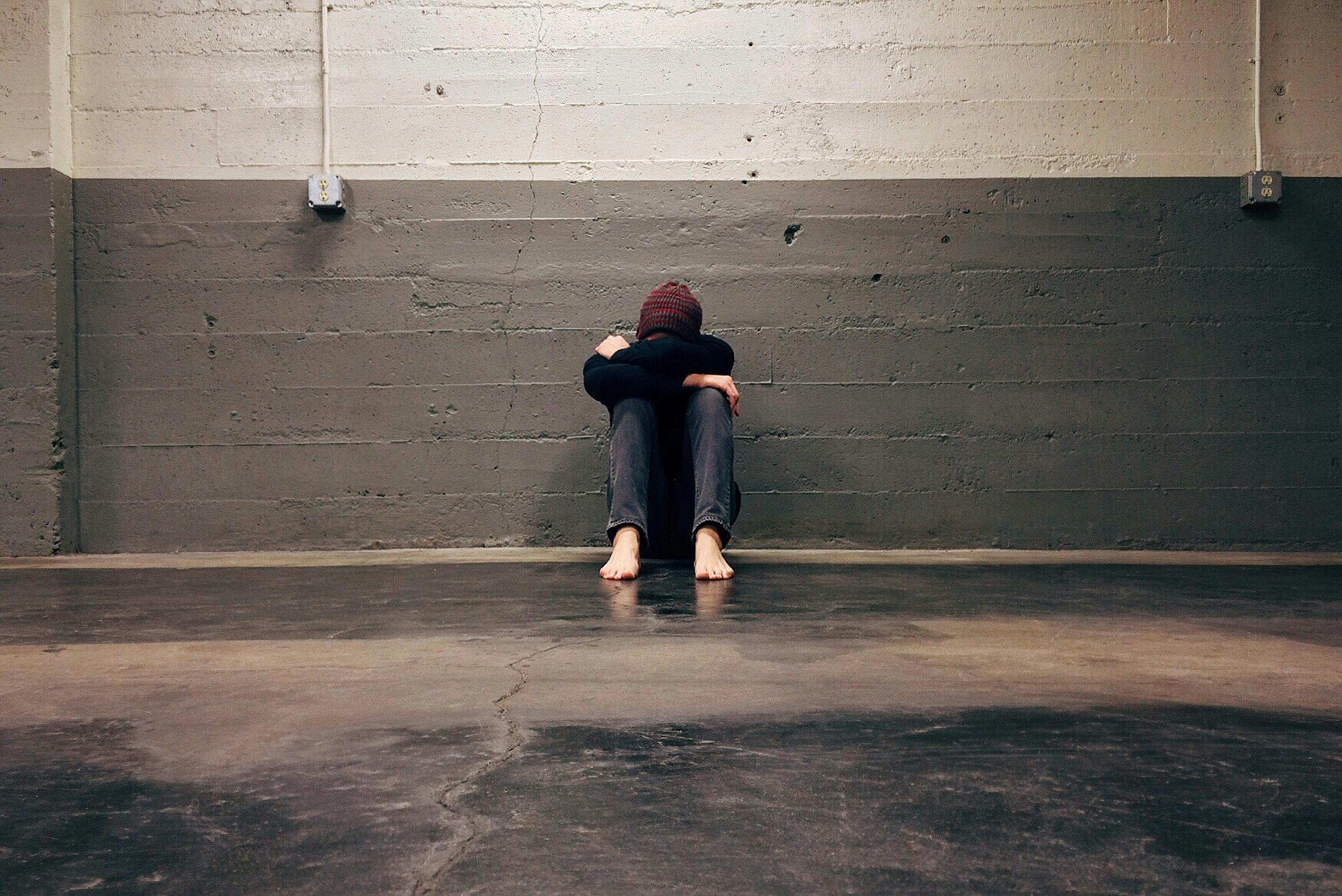
When an autistic child starts refusing school, it can be confusing and upsetting for the whole family. Parents may see tears in the morning, or a child who shuts down the moment it’s time to leave the house. This may seem like stubborn resistance, but it could actually be that your child feels unsafe or overstimulated at school. Here’s what you need to know about school refusal and autism.
Signs of School Refusal in Autistic Children
School refusal can look a little different in autistic children, but there are some common signs parents can watch for:
- Begging or pleading not to go to school
- Trouble falling asleep or staying asleep the night before school
- Frequent complaints of feeling sick, such as stomachaches or headaches, that go away once the child stays home
- Increased anxiety, including more reliance on routines, rituals, or repetitive behaviors to cope with stress
- Difficulties following or completing morning routines
- Struggling to wake up or get out of bed, sometimes hiding under covers or refusing to get dressed
- More meltdowns or aggressive behaviors, especially during transitions like a new school year or after holiday breaks
If several of these signs start showing up together, it may be indicative that the child’s anxiety about school needs support.
What Causes School Refusal in Autistic Children?
Social Skills
Navigating friendships and classroom interactions can be one of the toughest parts of school for children on the autism spectrum. Reading body language, understanding gestures, or knowing when to jump into a conversation aren’t always easy skills to pick up.
Some signs of social struggles include:
- Difficulty combining words, tone, and body language in conversation
- Missing or misinterpreting gestures and nonverbal cues
- Trouble adjusting behavior depending on the situation, like acting one way during group work and another at recess
- Less interest in playing with peers or joining group activities
- Challenges with pretend or imaginative play
These behaviors don’t necessarily mean that your child isn’t interested in having relationships with others. Rather, they have to make a constant effort to keep up with unspoken social rules, and this can wear them down. Over time, that stress can contribute to school refusal.
Sensory Sensitivities
Between bright lights and constant noise and stimulation, classrooms can be overwhelming environments for autistic children. Even sounds like pencils tapping or chairs scraping may feel much louder and more distracting than they do for others.
Research shows many students with autism describe classrooms as too noisy, and disruptive behavior from classmates can be especially stressful. Some common sensory challenges at school include:
- Struggling with loud or crowded environments
- Feeling distracted or stressed out by background noise
- Difficulty focusing when there’s movement all around
- Becoming overwhelmed during assemblies, gym class, or lunch in the cafeteria
These may seem like minor annoyances to many people, but for students with autism, these can become sensory overload, causing them to feel safer at home.
Need For Predictability
It’s common for autistic children to rely on order and routine to feel secure. Sudden changes, like a surprise test or a pep rally, can create so much stress that avoiding school feels easier than facing what’s unknown.
Autistic students also have more difficulty with brain management skills, like switching attention, staying organized, or moving from one task to another. The way school days are structured can make these challenges harder.
As children advance into middle and high school, the demands increase with busier schedules and heavier workloads. Not only are things more unpredictable, but there’s less adult oversight to help keep kids on track.
Some of the pressures that may contribute to school refusal include:
- Trouble switching from one subject or activity to the next
- Difficulty managing multiple classroom changes during the day
- Stress when routines or schedules are disrupted
- Feeling overloaded by homework or larger assignments
Pathological Demand Avoidance
Pathological Demand Avoidance (PDA), or Pervasive Drive for Autonomy, is when everyday demands can trigger extreme stress in those with autism. When a child with PDA feels their independence is being threatened, they may respond with fight, flight, or freeze behaviors. This reaction is based on anxiety and the need to stay in control.
Children with PDA will typically want to complete a task but feel overwhelmed the minute it becomes a demand. This can look like refusal, procrastination, or panic. Unfortunately, these behaviors are misinterpreted as defiance. A child who avoids schoolwork may be seen as lazy or naughty, and they may be subject to punishment. This can cause them to experience poor self-esteem and mental health.
Some children with PDA are highly capable and test well, yet still refuse assignments they don’t see as meaningful. For them, it’s about how the demand is presented and whether they feel they have a choice.
Bullying
Research shows that about two-thirds of children and teens with autism experience bullying at some point. Bullying can look like:
- Teasing, name-calling, or mocking speech patterns or behaviors
- Physical aggression such as hitting, pushing, or tripping
- Social exclusion, like being left out of games or group work
- Spreading rumors or gossip
- Cyberbullying through texts or social media
- Imitating or mocking stimming behaviors
- Pressuring or tricking the child into doing things for others
Even when it isn’t obvious to adults, being constantly targeted or left out can make school feel unpleasant or unsafe.
Perfectionism and Burnout
Some autistic students place enormous pressure on themselves to do everything perfectly. This drive can push them to work harder and harder, resulting in heightened anxiety and frustration. Eventually, this can lead to what many describe as autistic burnout.
It’s not a formal diagnosis, but autistic burnout is a common experience amongst school children. As kids get older, they continue pushing themselves to keep up with their peers, but the stress and exhaustion catch up. You may notice things like:
- Grades slipping or work left unfinished
- More days at home because they can’t face school
- Big emotional reactions to assignments
- Shutting down during class
Masking can make this worse. Masking is when autistic children hide or change their natural behaviors to blend in, like forcing eye contact or mimicking classmates. It may help them get through the day, but masking is draining. Almost half of autistic children mask heavily by age 8, and that number increases to 70% by the teen years.
Treating School Refusal in Autistic Children
To treat school refusal, it’s important to address the root causes and the daily challenges that come with it. For some children, doctors may prescribe medications for anxiety or depression. For others, therapies, like applied behavior analysis (ABA) or cognitive behavioral therapy (CBT), paired with positive reinforcement can help build confidence in returning to school.
Multifamily therapy is another option that brings several families together to work with therapists. Research has shown this type of therapy increases self-confidence in teens and fosters a sense of community with those experiencing the same thing. Families report stronger communication and a better understanding of their child’s struggles.
Support at school is also important. Parents can work with teachers and staff on helpful strategies for their child, like:
- Using an IEP or 504 Plan to guarantee support
- Having a trusted staff member greet the child at the door each morning
- Rewarding small achievements, like making it through the first class
- Scheduling regular check-ins with a point person at the school, such as a special education teacher or homeroom teacher
At home, parents can reinforce progress by setting routines and celebrating small successes. Some helpful steps are acknowledging a child’s feelings, reassuring them that home will be okay while they’re at school, practicing deep breathing, and encouraging them after completing a school day.
Moving Forward With Trusted Support
When a child refuses school, it’s usually because the day feels too big to handle. At Mission Harbor Behavioral Health, we want to understand what your child is feeling and what you’re going through as a parent. From there, we’ll work together on small, realistic steps that help school feel less frightening and home feel less tense.
If your child is struggling with school refusal and autism, reach out to our compassionate team. Support is available, and we’re here to walk you through it.
Sources:
Real world executive functioning for autistic children in school and home settings – Autism
Bullying statistics and facts – Autism Speaks
What Is Autism Masking | KidsClub ABA